Sparacinobio
L'olio biologico dalla terra alla tua tavola / The organic olive oil from our land to your table
Sicilia, Italia
© 2026 Azienda agricola Sparacino Pietro Paolo
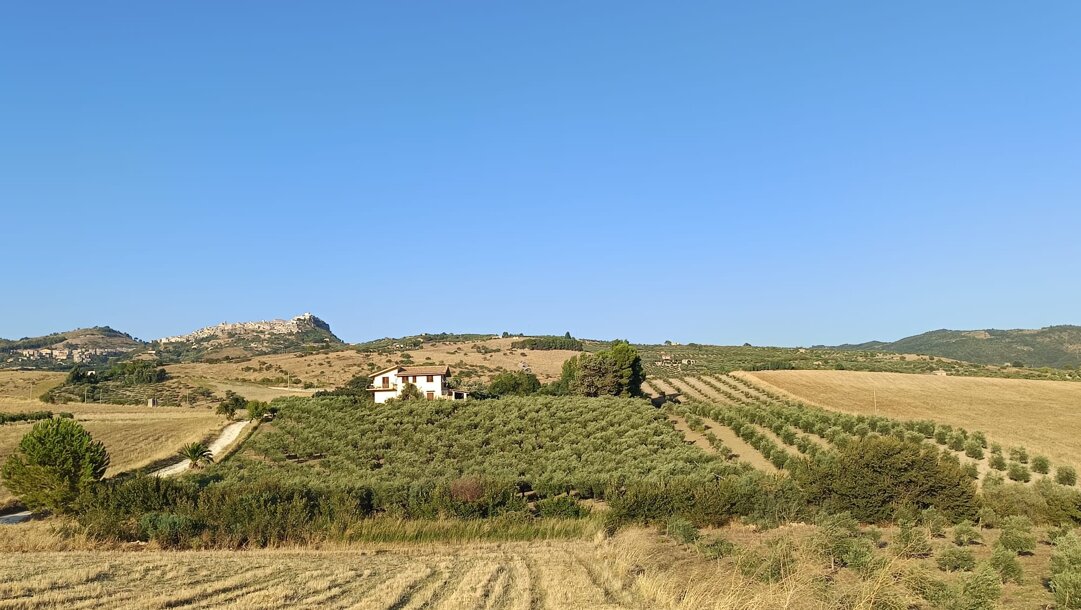
Our organic farm


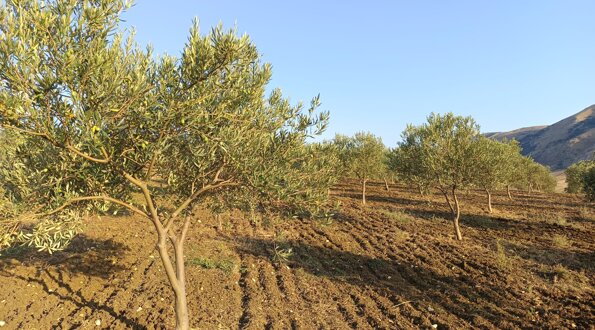
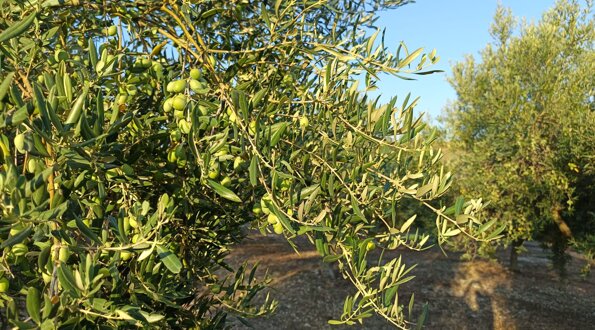
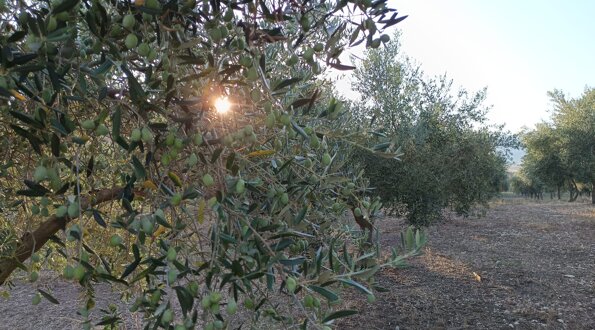
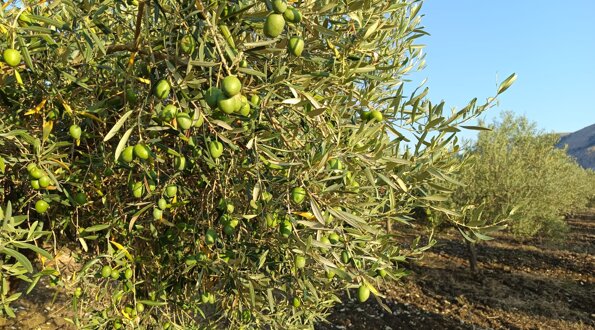
We respect our land.
We grow olive groves, vineyards and arable fields whilst respecting the harmony of nature and the purity of our land.
The farm and the territory


Arable fields
Vineyards
Olive groves
Fields of wheat.
Wine grapes.
Extra virgin oil and table olives.
Where ?
Discover our places!

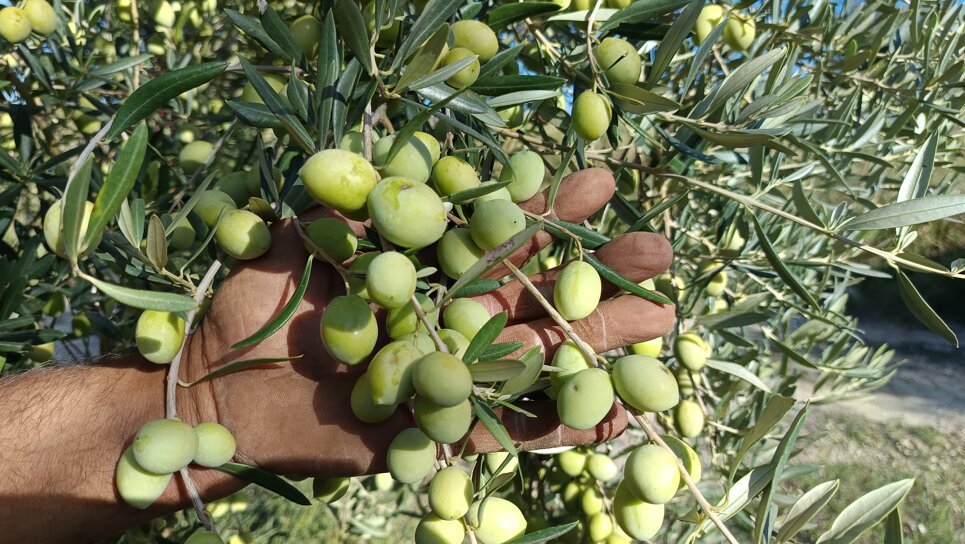
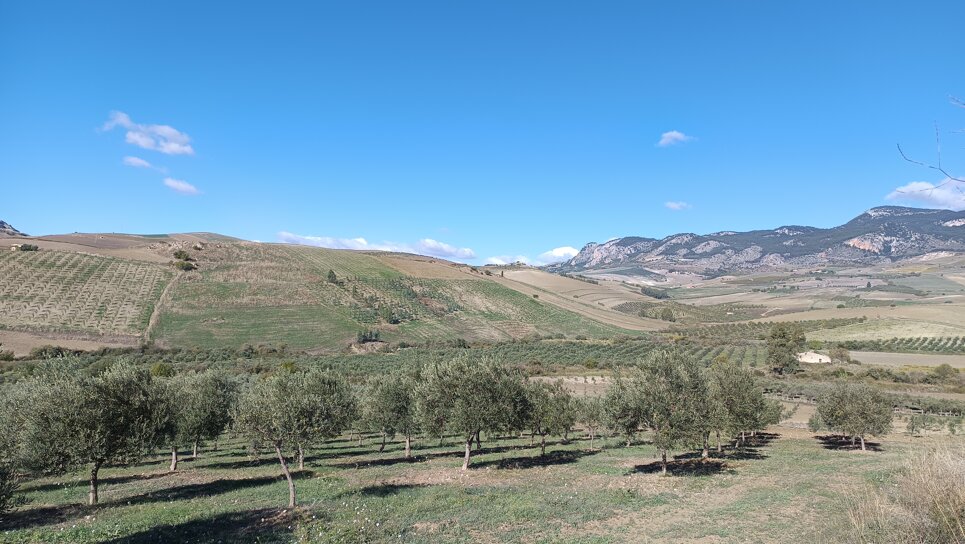
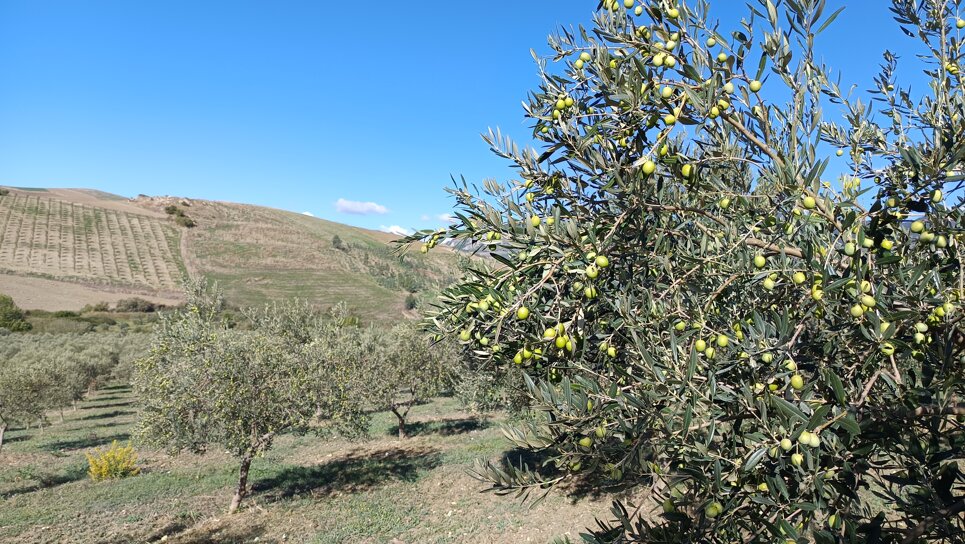
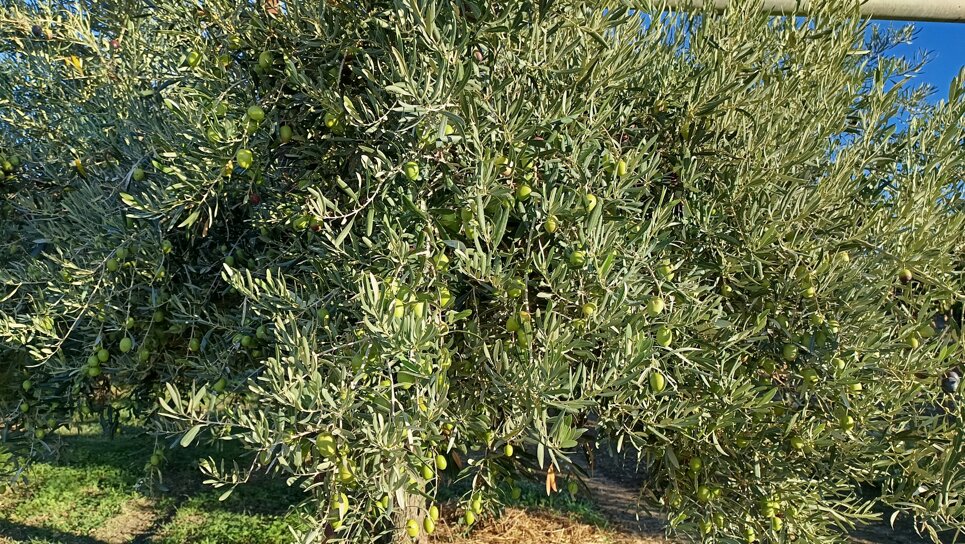
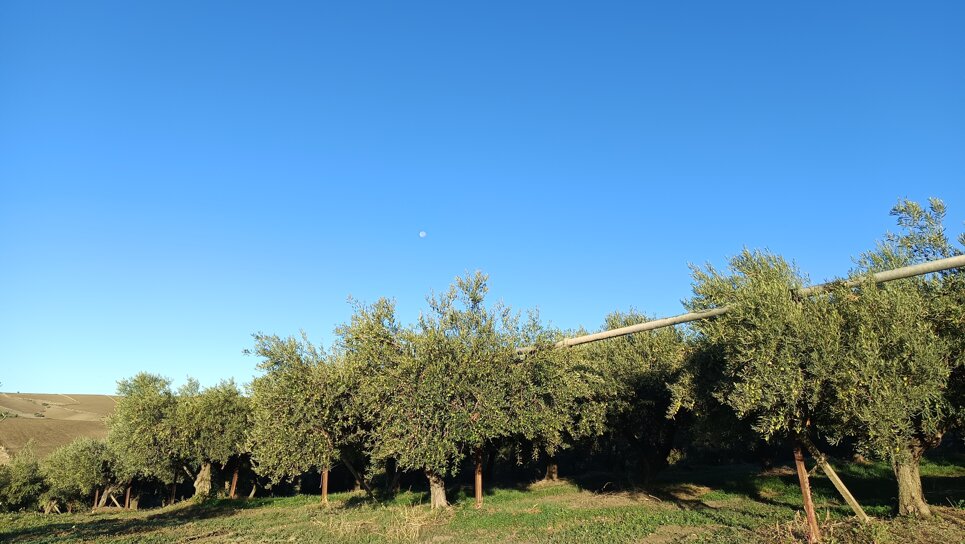
Olive groves
Extra virgin oil and table olives.
plant care: organic methods
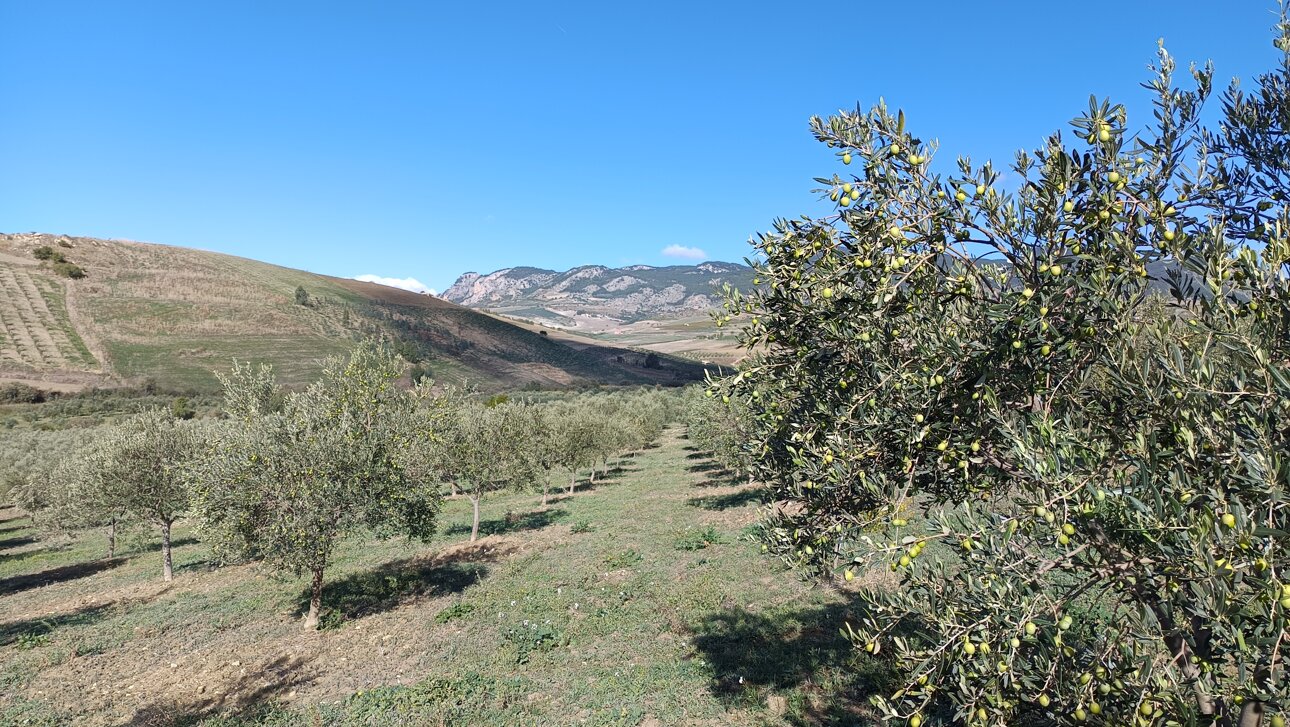
For generations, the olive tree has been one of the most valuable crops on our farm.
On our land, which covers a total of around 35 hectares, we cultivate over 4,000 olive trees spread across various plots, each characterized by specific soil and climate conditions that contribute to the quality of our products.
For more than 20 years, we have chosen to adopt farming practices focused on sustainability and respect for the environment, prioritising organic cultivation methods that help to preserve the health of the trees and the biodiversity of the local area.

PACKAGED BY:
Oleificio Magica S.R.L.
C.da Bresciano - Bisacquino 900302 (Pa), Italy
IT-BIO-006
AGRICOLTURE ITALY
The varieties grown
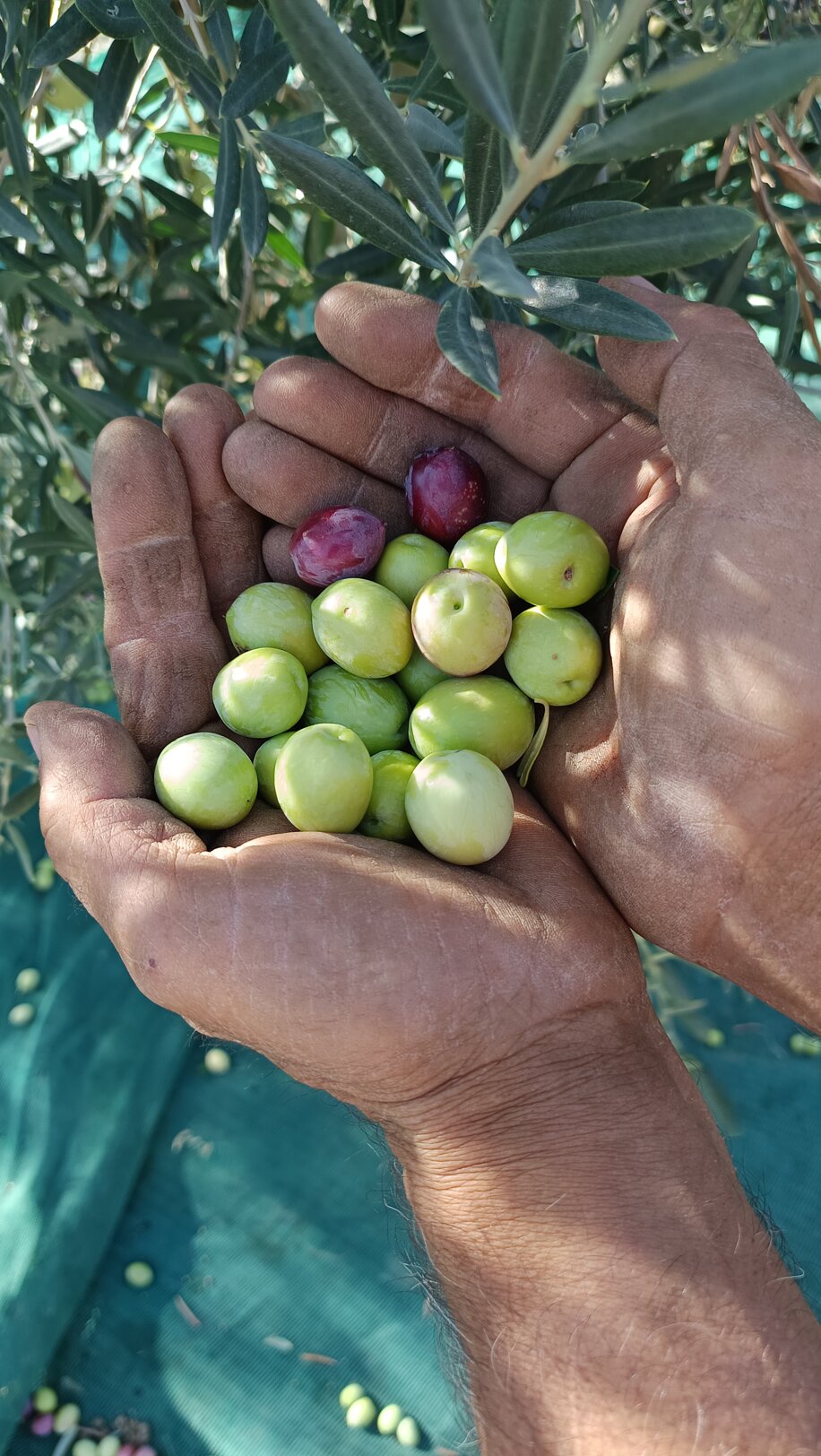
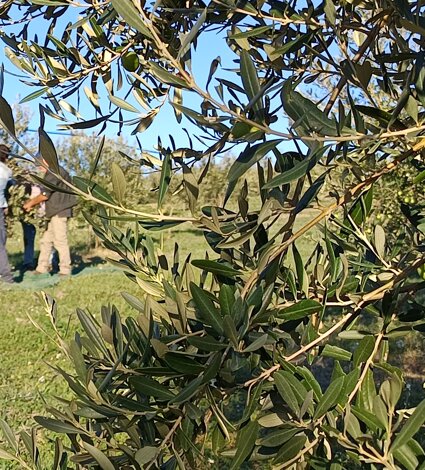
Nocellara del Belice.
Biancolilla.
The Nocellara del Belice is one of the most prized varieties in Sicily’s olive-growing landscape. It produces large olives with firm flesh and a well-balanced flavour. Suitable both for the production of high-quality extra virgin olive oil and for the preparation of table olives.
Biancolilla is a historic variety that stands out for its aromatic elegance. Its olives produce a delicate oil, characterised by fresh aromas and fruity notes. Thanks to its ability to adapt to arid climates, it is a valuable asset to Mediterranean agriculture.
Giarraffa.
The Giarraffa variety is particularly prized for the production of table olives. Its large, fleshy fruits are harvested and carefully selected to ensure high quality standards and to offer a wholesome product with an authentic flavour.
Organic farming
prevention and monitoring.
Pruning and canopy management.
The first line of defence is the constant monitoring of the olive groves.
Through regular checks, we monitor for any diseases or pests, carefully assessing the most appropriate time to take action.
Pruning promotes proper aeration of the plants and better exposure to sunlight, helping to naturally limit the development of fungal diseases and improving the quality of the crop.
Soil management.
Treatments permitted in organic farming.
Soil fertility is maintained through the addition of organic matter and agronomic practices that help preserve soil structure, thereby improving its ability to retain water and nutrients. In particular, grass cover is a technique that involves covering the soil with a layer of sown grass, the roots of which hold the soil in place and prevent damage caused by heavy rain or wind. It increases the presence of beneficial substances, microorganisms and small animals, and regulates plant growth, thereby improving the quality of the fruit.
Where necessary, we use products permitted under organic farming regulations, such as copper-based formulations for the prevention of major fungal diseases and natural substances used to control harmful insects. Each treatment is carried out in accordance with the prescribed timing and dosages, with the aim of protecting both the plant and the surrounding environment.
Practising organic farming means working with care, accepting the rhythms of nature and approaching each season with dedication and responsibility.
It is a demanding and often complex task, but it is precisely this that gives our products their true value.
Production: the organic olive processing cycle
Olive oil extraction is an industrial agri-food processing method aimed at extracting oil from olive drupes.
Oil production takes place in several stages, from the harvesting of the olives to their pressing. Each stage is enriched by the meticulous work of farms and millers, whose care and attention are essential for the production of high-quality extra virgin olive oil.
Let’s explore all the stages of olive processing together.
The harvest
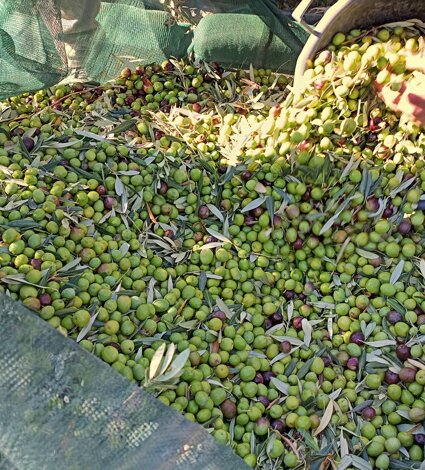
Olives are generally harvested between October and December, when they have reached the right stage of ripeness, using suitable manual and mechanical tools to avoid damaging the fruit and, consequently, the quality of the oil itself.
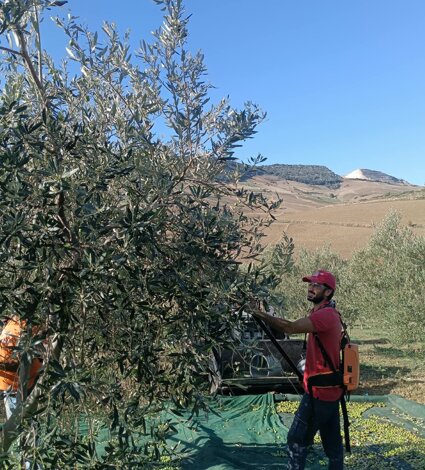
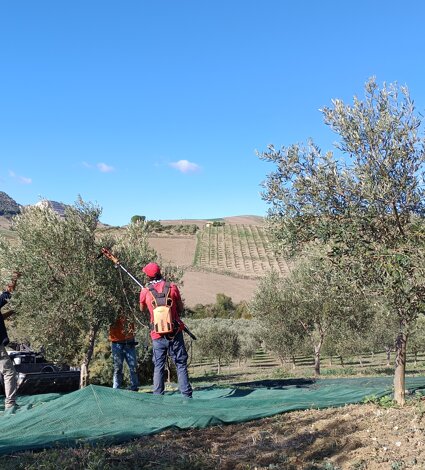
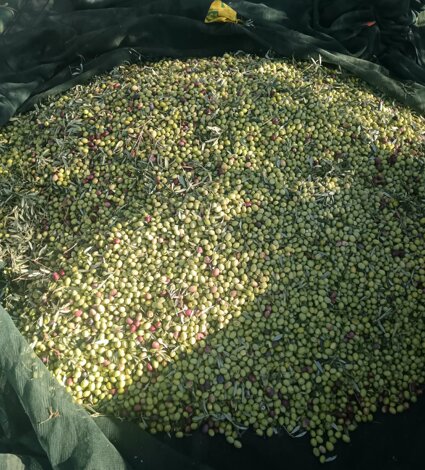
Before harvesting begins, olive-picking sheets are laid out around each tree to catch all the olives that fall from the tree – ripe and ready to move on to the next stages of processing.
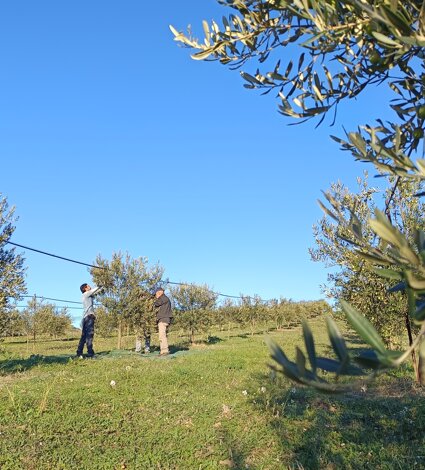
Specifically, we use the following harvesting techniques:


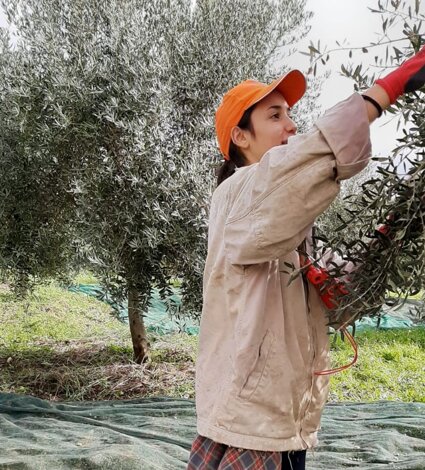
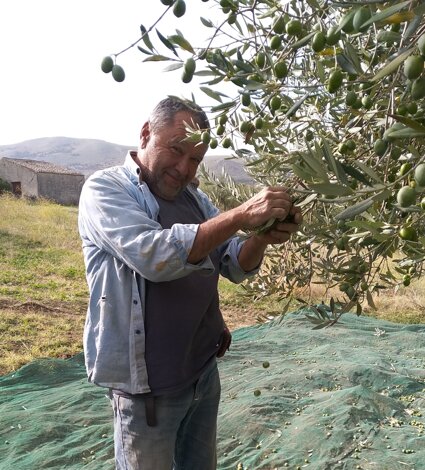
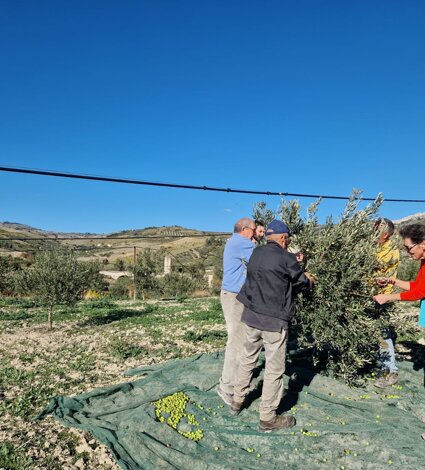
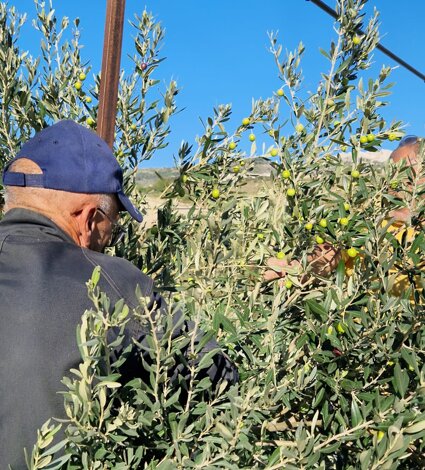
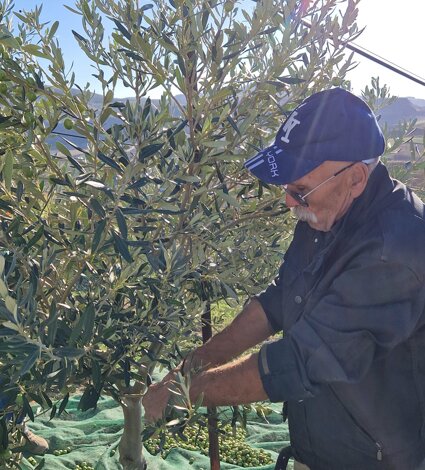
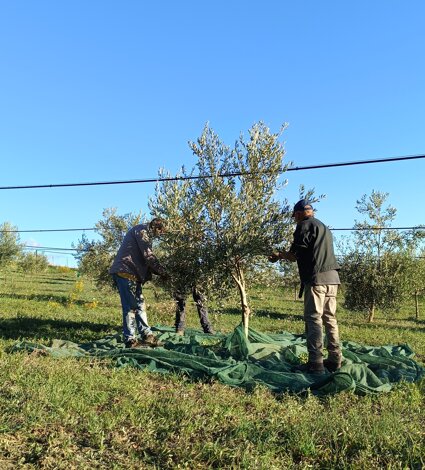
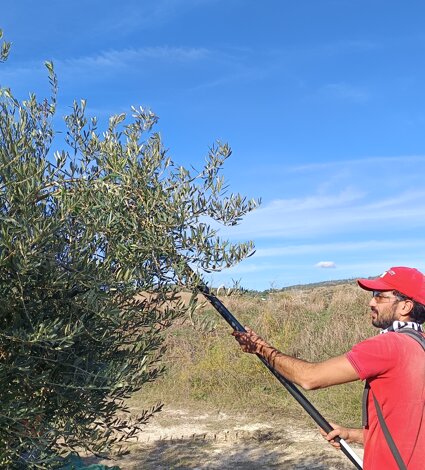
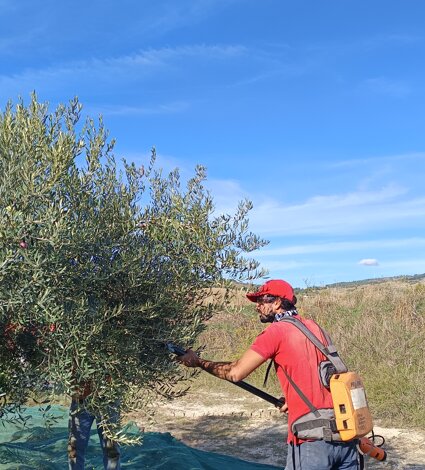
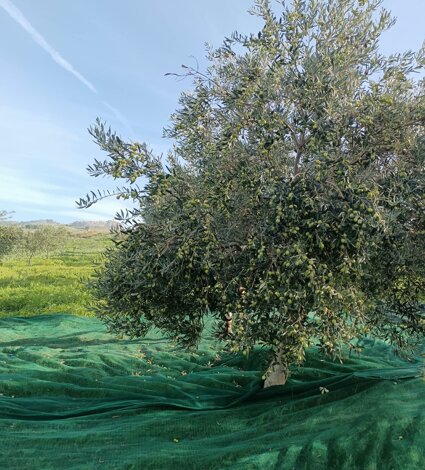
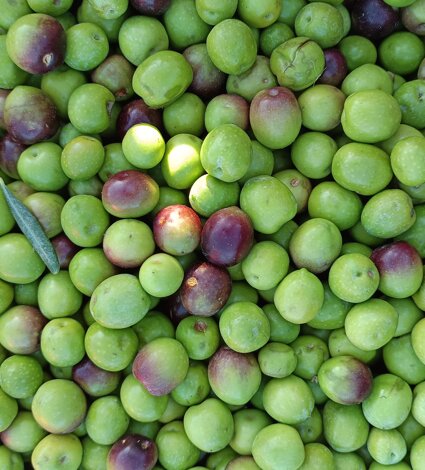
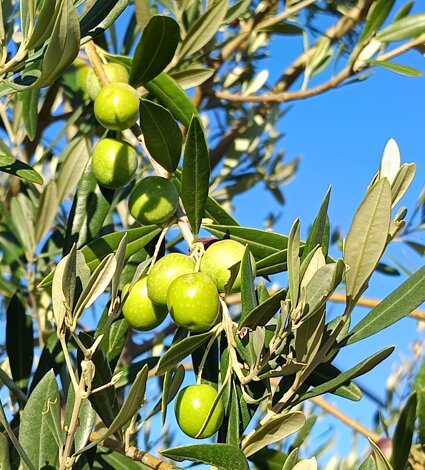
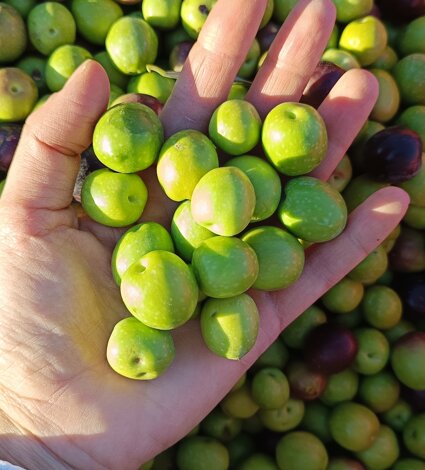
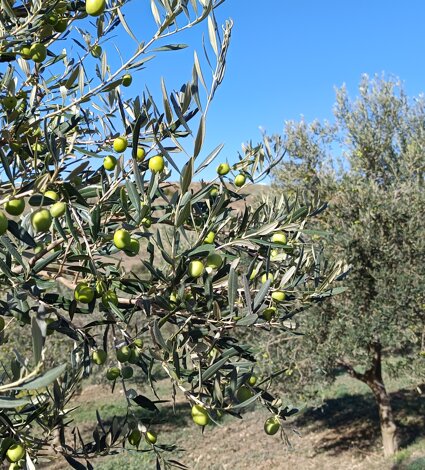
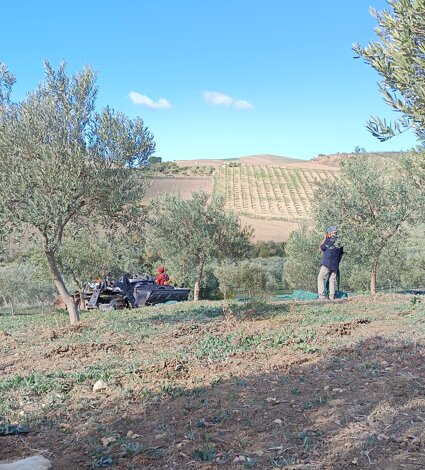
- Hand-picking: this is the method whereby olives are harvested exclusively by hand. It is used for small, young trees.
- Shaking: this is the method which, with the aid of a mechanical arm positioned near the tree, shakes the branches, causing the olives to fall onto the sheets.
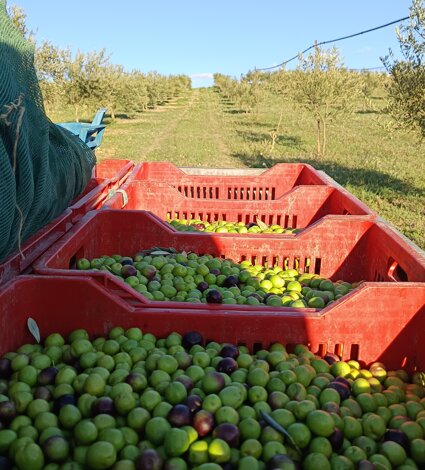
The freshly harvested olives are placed in slatted baskets, which allow for complete ventilation and thus preserve their quality, and are pressed within 24 hours. Have a look at some harvesting moments here.
All processing stages following the harvest, which take place at the oil mill, must be carried out using machinery that has been specifically cleaned for organic production.
The washing
A few hours after harvesting, the olives arrive at the mill and are placed in the so-called loading hopper, a sort of mechanical funnel designed to transfer them to the conveyor belt and then to the defoliator, which separates the olives from the leaves.
At this stage, the olives are washed and cleaned of all impurities.
The crushing
Through mechanical compression, each olive is crushed, causing the walls and membranes of the fruit to rupture (crushing of the fruit), thereby producing a crude extract: a fragrant, fairly thick and dense paste with an unmistakable aroma, consisting of the skin, pulp and stone of the olives (olive paste).
The crushing process uses mechanical discs that crush the drupes without causing friction, thus preventing them from heating up: this prevents oxidation from taking place, thereby preserving the quality of the olive paste.
The kneading
Afterwards, the paste is worked until it reaches the optimum temperatures that allow for the best possible separation of water and oil. The oil paste is then stirred and gently heated, protected from oxidation, in a kneading machine – a large, airtight steel tank containing slowly rotating helical blades.
In the case of cold extraction, the kneading takes place at temperatures between 24°C and 27°C; if, on the other hand, the temperature exceeds 30°C, there will be a marked deterioration in flavour, as well as the loss of important substances such as polyphenols, tocopherols and vitamin A. For this reason, the best extra virgin olive oil is cold-pressed.
The extraction
During this stage, the three components present in the oil paste are separated: the oil-rich paste, the pomace and the vegetable water. The oil is extracted by horizontal centrifugation. A rotating conical drum with a horizontal axis, named decanter, separates the three components based on their different specific gravities.
The residual water in the oil-rich pulp is separated by vertical centrifugation, using cylindrical tanks containing a rotating drum consisting of a series of overlapping, perforated conical discs. The oil-rich pulp, fed in from the top, enters the drum and is subjected to centrifugation; due to their different densities, the oil and water separate into two streams.
Once the pressing process is complete, the extra virgin olive oil produced is ready to be bottled and consumed, even though its colour may appear cloudy. If a clearer oil is preferred, a filtering stage is required to remove the residues settled at the bottom, thereby achieving a clearer appearance.
It is worth remembering, however, that freshly pressed – and therefore unrefined – oil, which is darker in colour, is no less valuable than filtered oil. As it retains tiny traces of pulp and water, unfiltered oil initially has a very high antioxidant content (it is rich in polyphenols!) and offers a more intense, rustic and fruity flavour. We have chosen not to filter our oil, thereby producing a genuine and authentic product.
Our oil is then bottled in dark-coloured cans, which help to protect it from light and other sources of heat. The material used to manufacture the tins is inert and non-toxic, which ensures that the product remains stable over time and guarantees that the oil is well preserved without altering its properties or quality.
Its flavour remains strong and distinct.


Vineyards
Wine grapes.
Alongside the olive groves, we cultivate 2 hectares of organic vineyard, dedicated to one of the most representative varieties of the Sicilian winemaking tradition: Catarratto, grapes that produce elegant and highly prized Sicilian wines.
Cultivation strictly adheres to the principles of organic farming, through careful management of the vines and the soil, in harmony with natural rhythms. Throughout the year, we constantly monitor the vineyard, implementing targeted agronomic practices to promote the health of the vines and the quality of the grapes.
Pruning, canopy management and soil care are essential activities for ensuring the balanced ripening of the bunches and bringing out the best in the aromatic characteristics of Catarratto.
Organic viticulture requires commitment, experience and close attention to weather conditions, but it is a choice that allows us to preserve the environment and produce authentic grapes, capable of creating wines that reflect our land and our passion.


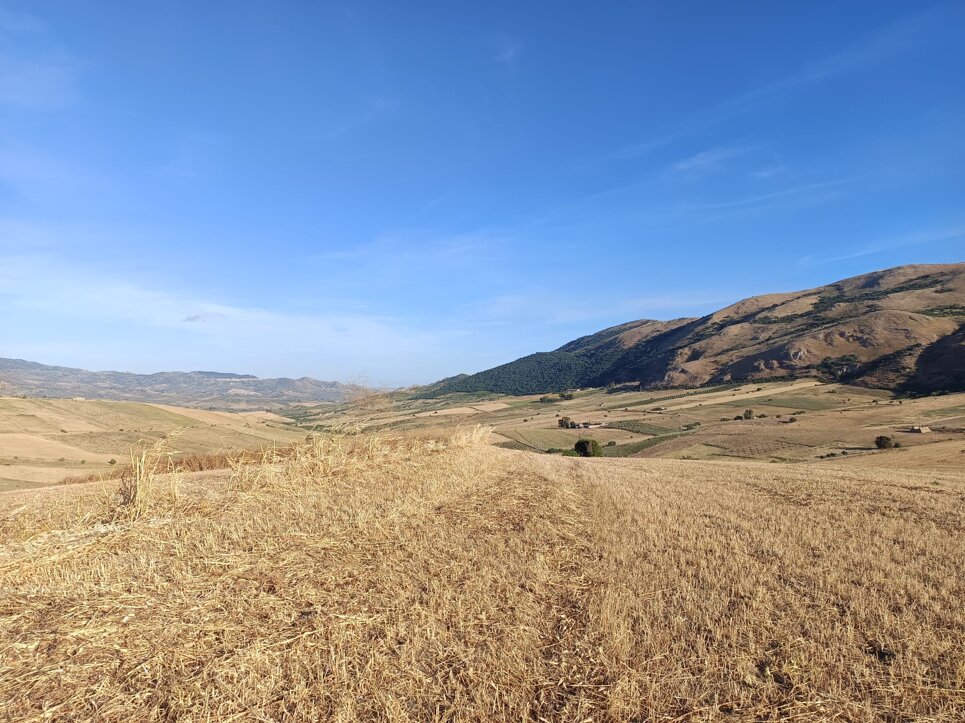
Arable fields
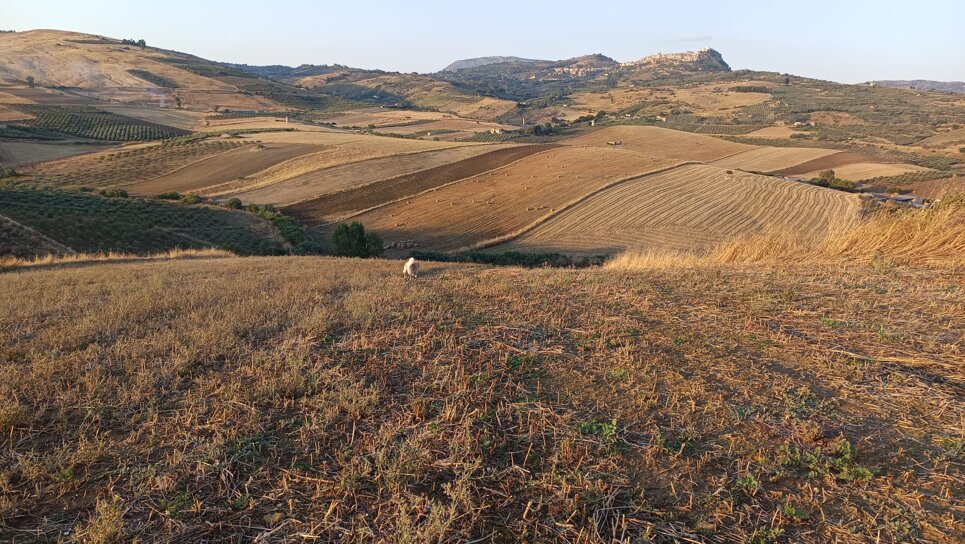
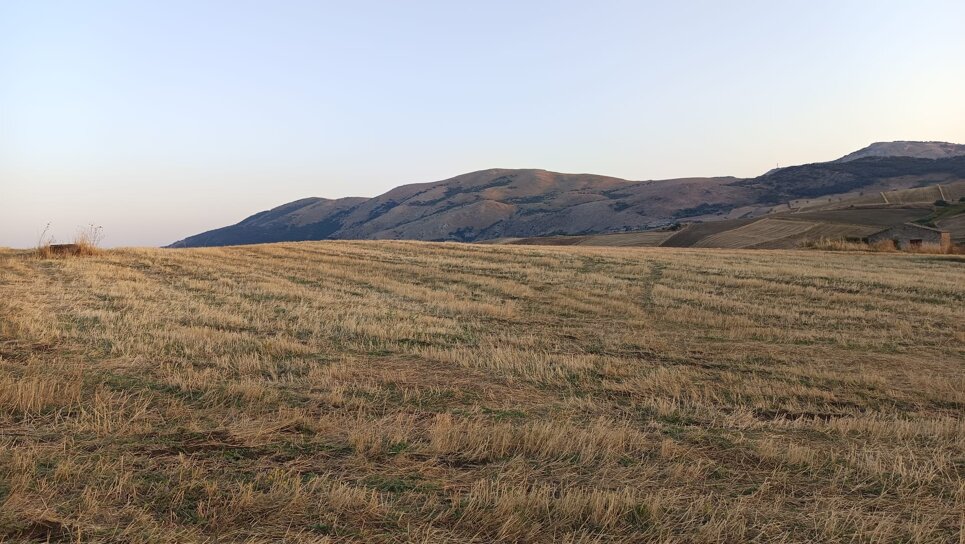
Fields of wheat.